Meet the Maker
Stitch Buffalo
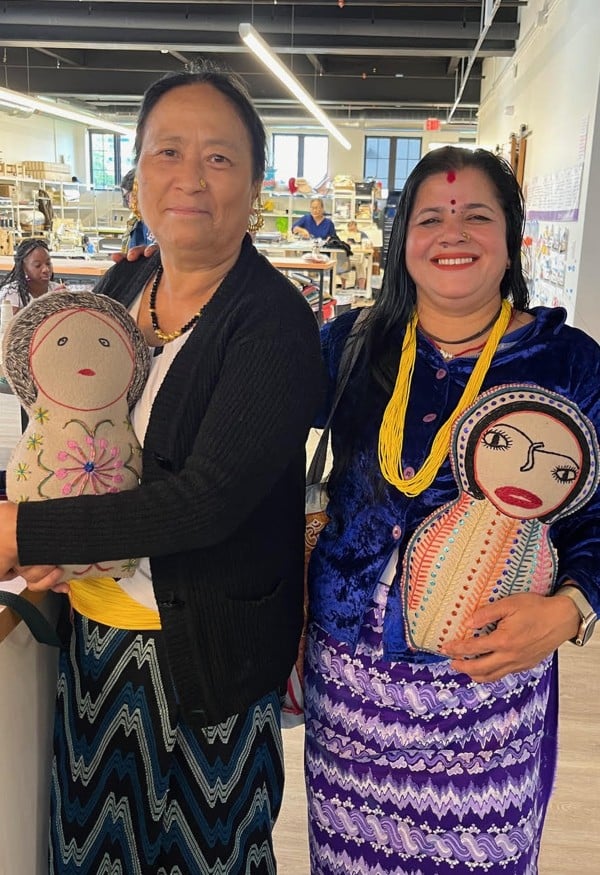
Committed to empowering refugee and immigrant women, Stitch Buffalo is a textile art center that partners with women in New York to make and sell handcrafted goods. Founded by Dawne Hoeg, their group continually inspires creativity and inclusion through community education, highlighting environmental protection through the reuse of textiles and natural materials. For years, FilzFelt has been a proud supporter, donating remnant and scrap materials to support their efforts. The artists and makers of Stitch Buffalo have incorporated felt into their crafts and goods in the most beautiful and creative ways. We’re thrilled to share more about the partnership and highlight the work of this talented team.
Tell us about how Stitch Buffalo started!
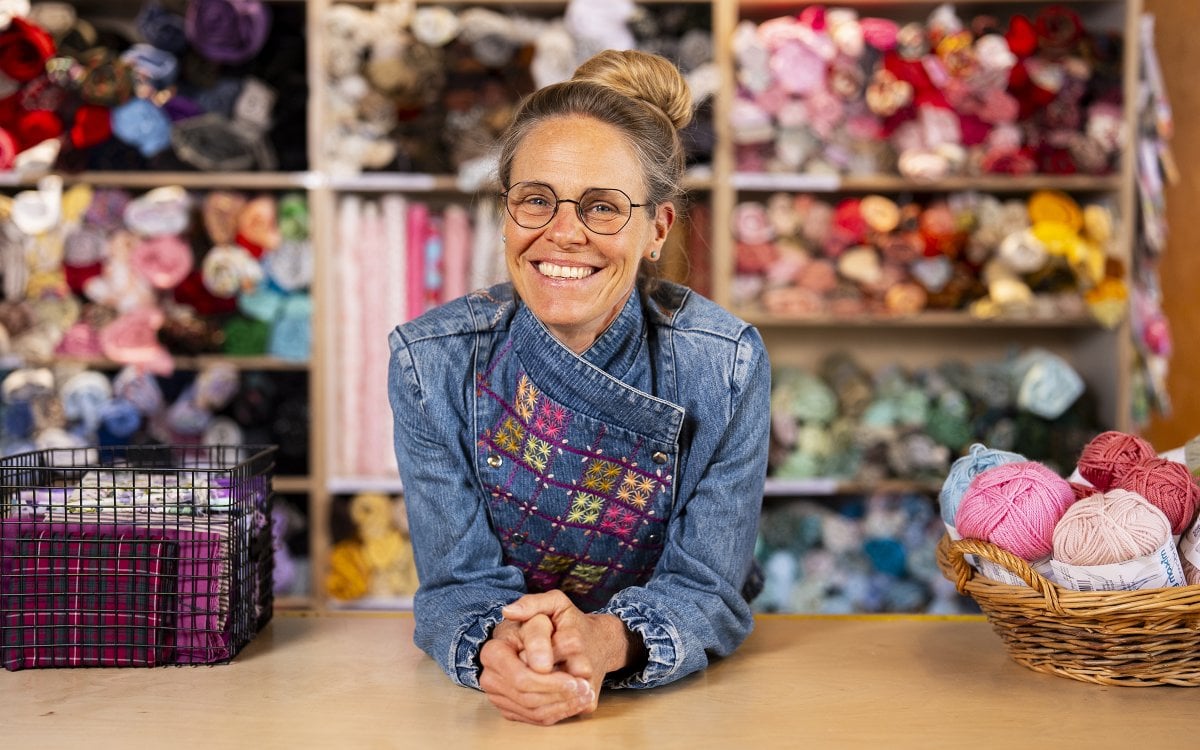
Stitch Buffalo began with a simple idea—that textile arts could be a powerful tool for connection, creativity, and opportunity. In 2014, textile artist Dawne Hoeg started a weekly embroidery workshop for refugee women living in Buffalo, NY. The women came from different countries, cultures, and languages, but they shared an interest in textiles and handwork, as well as a desire to build a better life in their new home.
What started as a small gathering quickly grew into a vibrant community. As more women joined, it became clear that this was more than just a sewing circle—it was a space for healing, skill-building, and income generation. From that grassroots beginning, Stitch Buffalo has grown into a comprehensive textile arts center that brings people together across cultures through the shared language of making.
Stitch Buffalo’s has three main programs. The Refugee Women’s Workshop is the heart of Stitch Buffalo’s mission. The Refugee Women’s Workshop provides refugee women in Buffalo, NY, with a welcoming and supportive space to build community, express their cultural traditions, and earn income through the sale of their handcrafted goods.
Stitch Buffalo offers community classes centered around accessible textile arts education for learners of all ages and skill levels, reaching over 2000 students each year. These programs in sewing, dyeing, weaving, embroidery, and more promote skill-building and cultural appreciation while creating space for meaningful community connection.
Stitch Buffalo’s sustainability program is called “Second Stitch,” because it gives new life to unwanted textile-art supplies donated by local artists, makers, and businesses. These items are essential supplies for both the Refugee Women’s Workshop and Community Classes. Surplus supplies are sold in our community thrift store, which offers gently used yarn, fabric, notions, and more at a low cost. All sales support the mission and programs of Stitch Buffalo.
What are some of the projects you’ve worked on that you’re most proud of?
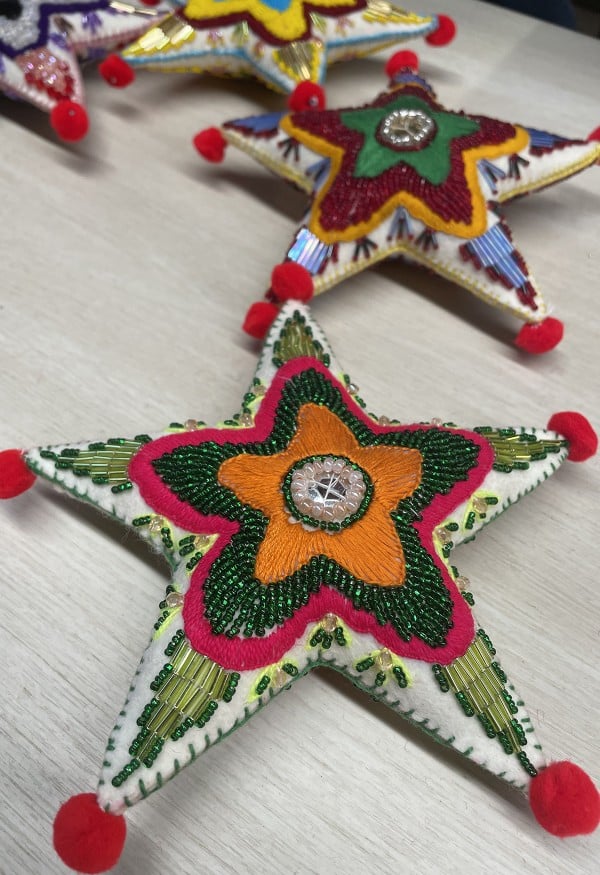
Here are a few of the projects Stitch Buffalo is especially proud of. Each one is a reflection of our values of empowerment, creativity, and community:
At the heart of our work, The Refugee Women’s Workshop provides income, training, and community for over 200 refugee women every year. Watching participants grow in confidence and self-sufficiency through their artistry is one of our greatest accomplishments.
Our public exhibitions and partnerships include museum installations at the Buffalo and Erie County Botanical Gardens, Buffalo History Museum, Castellani Art Museum, Burchfield Penney Art Center, and beyond. These partnerships have brought the textile work of refugee women into the public eye, helping to tell powerful stories of resilience, tradition, and identity through textile art.
We’re proud to have created Second Stitch, a largely circular textile economy within Stitch Buffalo. This community-driven program rescued-for-reuse over 21,000 pounds of textile art supplies. This not only supports our programs and reduces waste but makes creative supplies affordable and accessible for everyone in our community.
Each year, over 2000 people of all ages and skill levels gather at Stitch Buffalo’s studio or off-site events as part of our Community Textile Arts Education programs to learn textile art skills and engage in the pleasure of making things with their hands. We’re building the next generation of makers while creating inclusive spaces for learning and connection.
Every time a refugee artisan teaches an embroidery class or a customer buys a handmade item and hears the story behind it, we’re building bridges. Cross-Cultural Dialogue Through Craft is what Stitch Buffalo is all about.
What are some of your favorite projects that have incorporated felt?
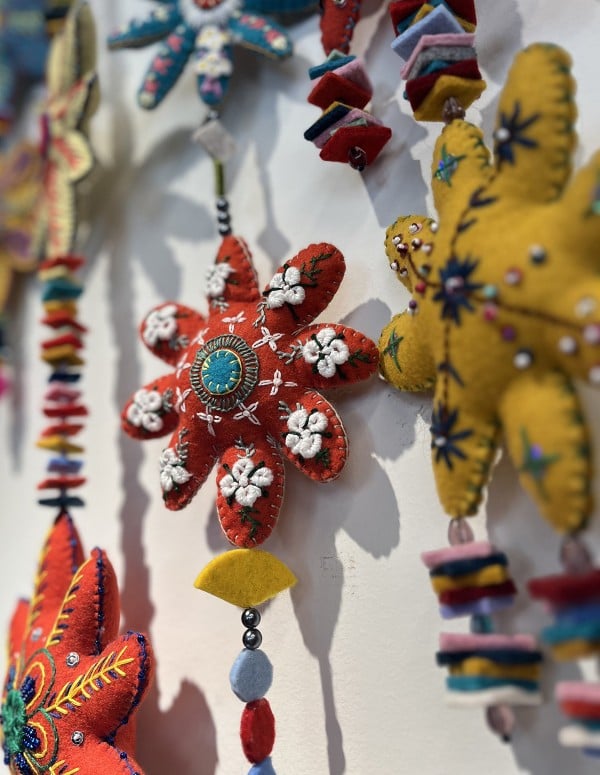
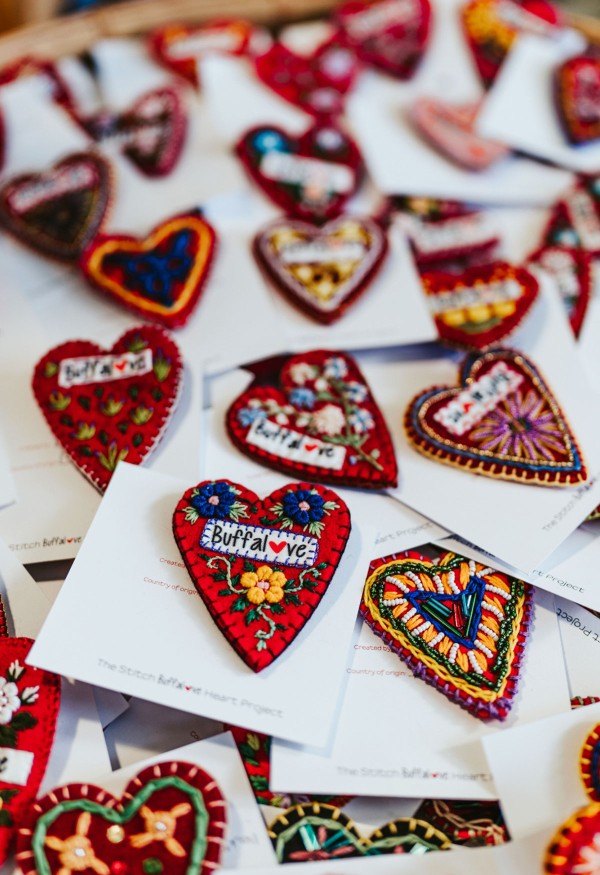
Stitch Buffalo’s very first product was our “Buffalove” heart pin—constructed of felt and embellished with hand embroidery by refugee women artisans. This small collection was planned as a pilot project, exploring the market potential for work by the refugee women who had been attending our weekly embroidery workshops. The project was a huge success, and those pins have now become a signature design for Stitch Buffalo. We have now made well over 10,000 of them in countless colors and styles!
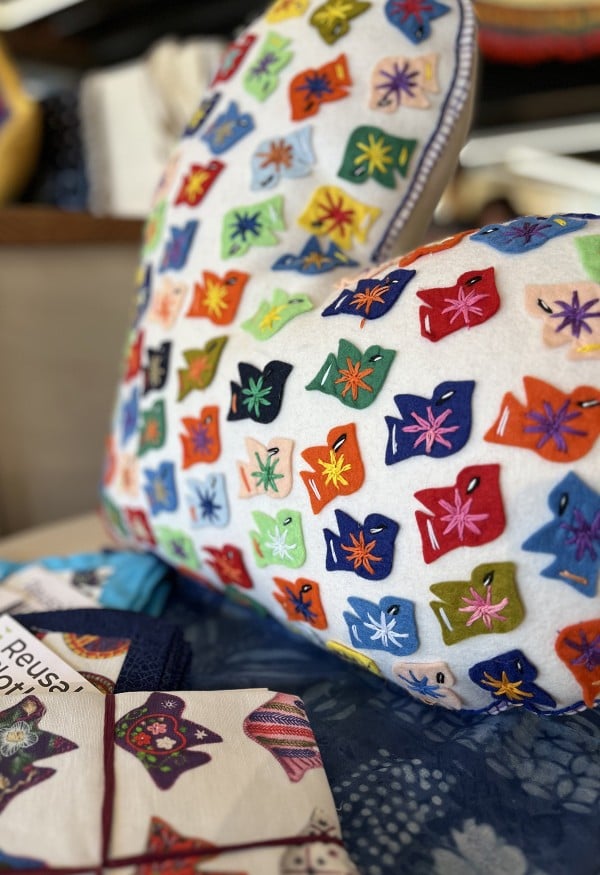
Since that first product, felt has been integral to so many products at Stitch Buffalo. We have ornaments, pins, wall art, bags and so much more that feature this versatile material.
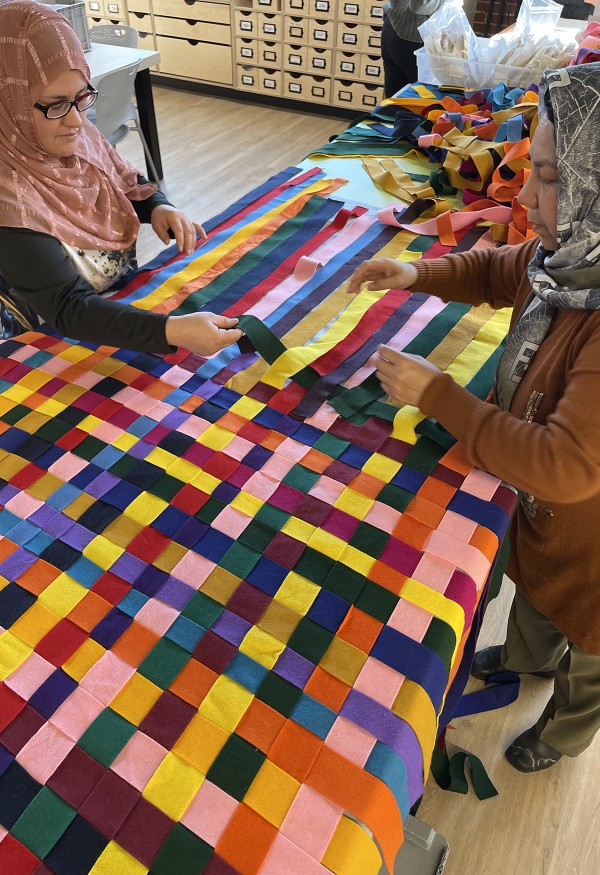
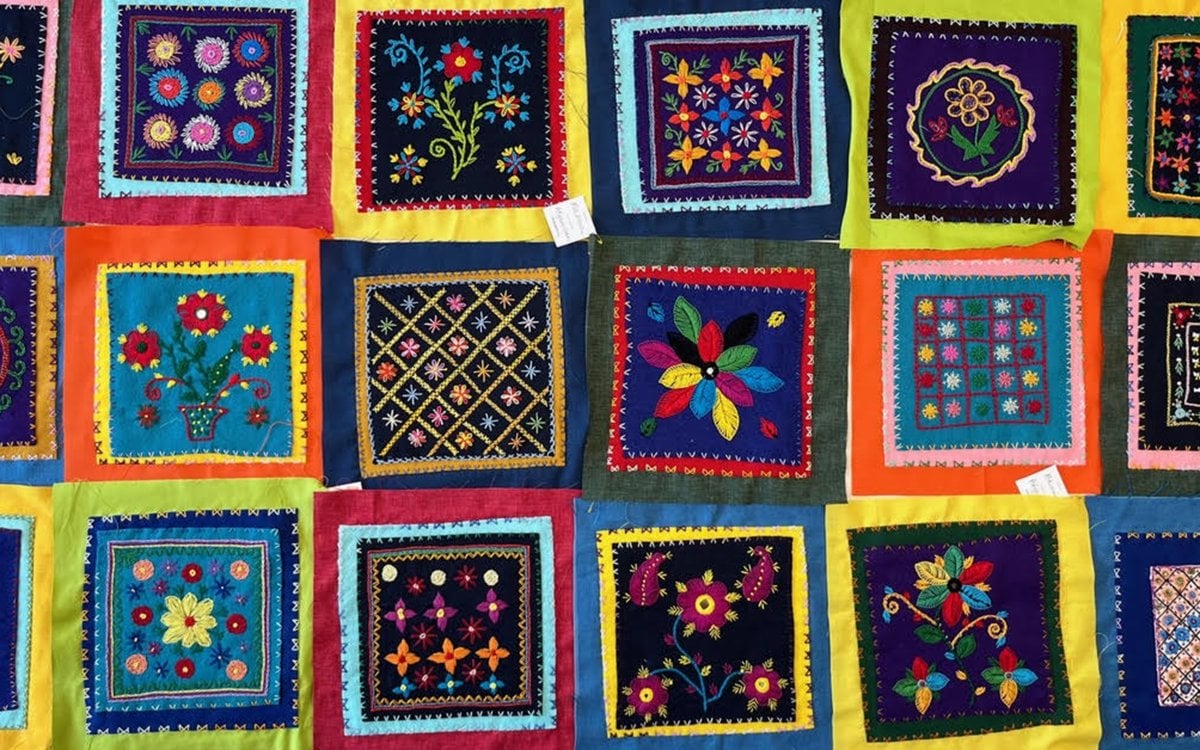
Felt has also featured prominently in many of our art exhibits and installations, including The Power of Peace (Burchfield Penney Art Center, 2020), Creative Journeys: Celebrating the Art of Refugee Women in Western New York (Buffalo History Museum, 2022), Social Justice Stitched Stories: Stitching Together Our Community Voices in the 21st Century Sewing Circle (Burchfield Penney Art Center, 2022), A Flock of All Colors (Buffalo and Erie County Botanical Gardens, 2023), and Old/New Threads (Castellani Art Museum, 2024.)
What makes felt such a good fit for the projects you work on?
At Stitch Buffalo, felt is one of our favorite materials to work with. It’s incredibly versatile, making it a perfect canvas for hand stitching. Felt holds its shape beautifully without fraying, which gives it just the right amount of structure for projects like bags, pouches, pins, and ornaments. These are some of our most popular makes in both the studio and in our classes.
With its wide range of vibrant colors and soft, tactile texture, felt appeals to makers of all ages and backgrounds. It’s easy to cut, whether by hand or with a die cutter, which makes it ideal for group workshops and community art events. We especially love using it for our signature ornaments and pins, where small details and creative embellishments really shine.
Felt is also familiar across cultures, which makes it a welcome material for the refugee women in our workshop, as well as for the broader community that comes together through our textile arts programs.
In short, felt is functional, beautiful, and full of possibility—just like the hands that work with it every day at Stitch Buffalo.
Sustainability is a core part of your mission. Can you tell us a bit about your efforts to be an organization that focuses on sustainability?
Sustainability is woven into every aspect of Stitch Buffalo’s work—from the materials we use, to the way we operate, and the skills we teach. In 2024 alone, we diverted over 21,000 pounds of textile art tools and materials from the waste stream by reimagining them as raw materials full of potential. These donations of fabric, notions, and sewing tools fuel every area of our programming, proving that environmental stewardship and community impact go hand-in-hand.
In the Refugee Women’s Workshop, upcycled supplies lower material costs so that more of each sale directly benefits the women who make the products. These donations, like the ones received from Filz Felt, also bring in unique, high-quality materials that inspire creativity and encourage innovation in product design.
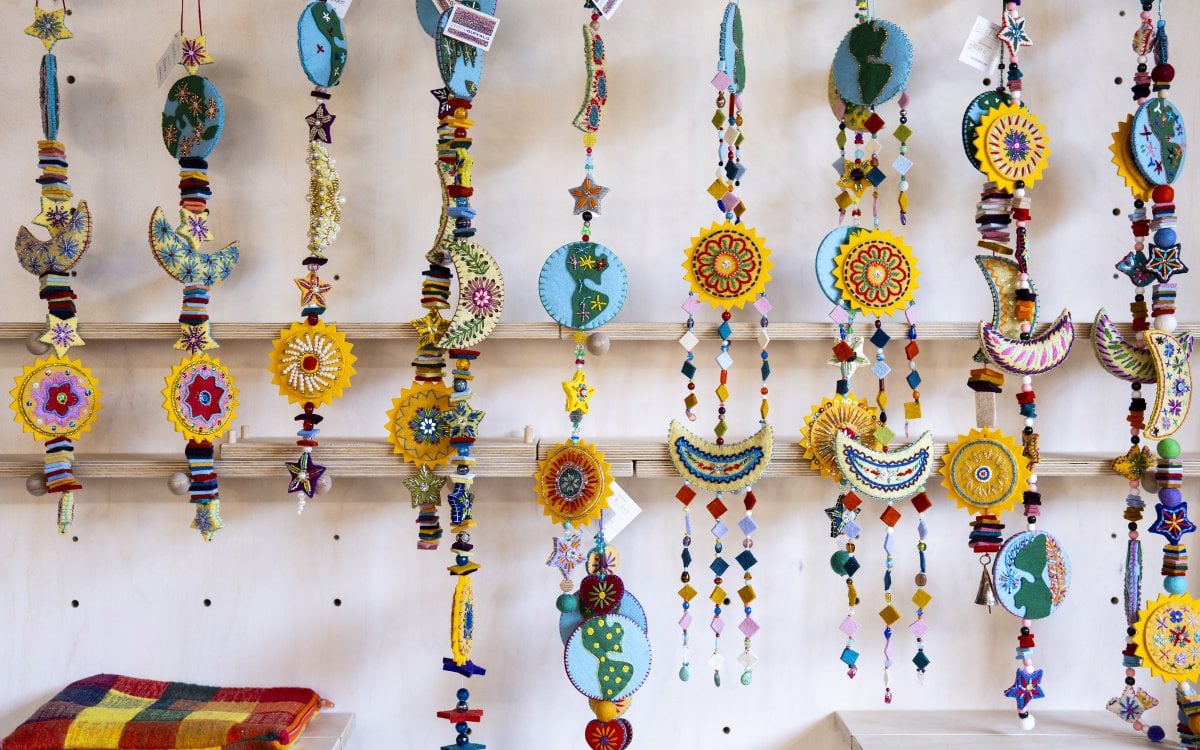
Donated supplies also keep our Community Class fees affordable, reducing a major barrier for learners. The variety of materials fosters experimentation and reinforces our message of resourcefulness: that beautiful, useful items can be made from what already exists in our community.
When materials are not suited for our products or classes, they find a second life in our Second Stitch thrift store. This fills a critical gap in Buffalo, where there are no dedicated fabric/yarn stores and many residents lack the time or transportation to reach suburban options. Here, people can find affordable fabrics, patterns, sewing tools, and other creative supplies right in their neighborhood.
What do you hope the future holds for Stitch Buffalo?
We envision Stitch Buffalo as a thriving, inclusive hub for textile arts—one that continues to expand opportunities for refugee women while deepening our connections with the wider community.
In the coming years, we have plans to broaden our programs, reaching more artisans and learners of all ages, and to strengthen our role as a place where creativity, sustainability, and cultural exchange flourish side by side. We aim to grow our social enterprise initiatives, ensuring stable income for the women we work with, while also expanding community offerings like Second Stitch and our Community Classes. We will continue to introduce new skills and techniques, like the recent addition of a felt loom, to enrich the creative possibilities for our members.
Ultimately, we see Stitch Buffalo as a nationally recognized model for how the textile arts can foster empowerment, preserve cultural traditions, reduce waste, and build vibrant, connected communities.